The City That Never Stops (Stopping)
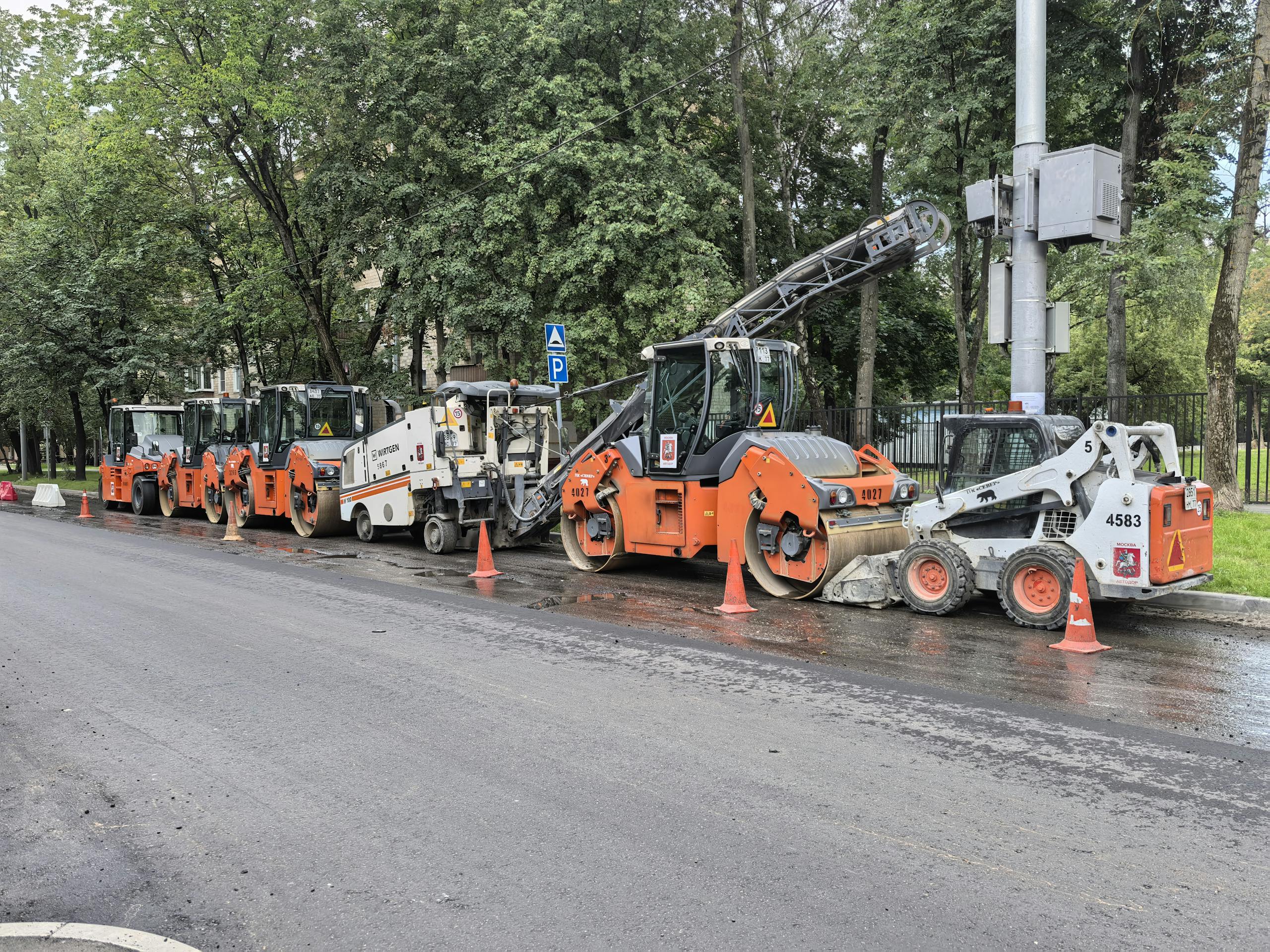
Montreal’s unofficial mascot isn’t the fleur-de-lys, the poutine, or even the Habs logo. It’s the orange cone. Standing proudly in every season, they bloom in rows and clusters, marking not progress but perpetual pause.
The cone is everywhere — multiplying on Sherbrooke, colonizing Saint-Laurent, breeding by the dozen on René-Lévesque. Some are fresh and bright, others weathered and dented, leaning like veterans of a long campaign. Together they form a kind of civic choreography — one that no one rehearsed, no one conducts, and no one seems capable of stopping.
For years, Montrealers have joked that the city has only two seasons: winter and construction. But lately, it feels as if construction never ends — it just migrates. Last summer’s detour becomes this fall’s excavation. The street you avoided last year for repairs is closed again this year for “infrastructure updates.” You check Google Maps before leaving, not to see traffic, but to see if the city still exists beneath the cones.
It would all be funny if it weren’t so exhausting. The chaos isn’t just visual; it’s psychological. Montrealers have developed an almost Pavlovian flinch at the sight of flashing arrows and detour signs. We no longer ask when it will be done — only whether we’ll live long enough to see it.
To be fair, the needs are real. A century-old city built on frost and neglect doesn’t fix itself. Pipes collapse, bridges age, tunnels corrode. Deferred maintenance comes due eventually, and Montreal is paying its bill in jackhammers. But what infuriates residents isn’t the work itself — it’s the absence of logic behind it. Entire arteries close without coordination. Construction crews block each other’s routes. Freshly paved streets are reopened days later by a different department digging in the same spot. It’s less city planning than civic improv.
Somewhere, there must exist a spreadsheet — a grand schedule mapping every lane closure and detour. But if it exists, it’s clearly encrypted, forgotten, or ignored. What Montreal has instead is a chorus of overlapping jurisdictions: city, borough, province, utility, contractor, subcontractor. Each works to its own timeline, budget, and weather forecast. The result is what every driver, cyclist, and pedestrian already knows — a masterpiece of inefficiency painted in safety orange.
There is, in all of this, a kind of tragic comedy. The cones have become cultural icons — printed on T-shirts, immortalized in memes, even used as Halloween costumes. We’ve turned frustration into folklore. That’s how Montreal survives itself: by laughing at what it can’t change. But behind the humour is fatigue. The city’s energy — its spontaneity, its rhythm — is being choked by its own maintenance.
And yet, amid the chaos, Montrealers adapt. We learn detours by instinct. We time our commutes like military campaigns. Cyclists discover back alleys that even GPS doesn’t know. The city’s resilience is admirable — but it’s also a warning sign. A population shouldn’t have to be this resourceful just to move through its own streets.
If the orange cone is the symbol of Montreal, then it’s time to ask what it represents. Is it renewal or dysfunction? Progress or paralysis? The answer depends on how much faith you have left that someone, somewhere, is actually in charge of the plan.
Because every city needs maintenance. But only Montreal could make gridlock feel like a civic tradition.